Waterproofing Basements in Older Homes
People seeking to waterproof basements in older homes aim to prevent leaks and moisture issues, and local contractors can provide expert solutions to protect and preserve their space.
Homeowners with older properties often face unique challenges when it comes to maintaining a dry and stable basement environment. Over time, foundation issues, shifting soil, and aging materials can increase the risk of water intrusion, which may lead to mold, structural damage, and other costly problems. Exploring waterproofing options tailored to older homes is a practical step for property owners seeking to protect their investment and ensure a safe, comfortable living space. Local contractors experienced in basement waterproofing can assess these specific needs and recommend solutions that preserve the integrity of the home while addressing moisture concerns effectively.
Understanding the importance of proper waterproofing is especially relevant for those living in areas prone to heavy rainfall or fluctuating ground conditions. Older homes often require specialized techniques to manage water seepage and prevent long-term damage. Connecting with local service providers who specialize in waterproofing basements in older homes can help property owners find the right approach for their situation. Keep reading to learn more about the options available and how local experts can assist in creating a dry, durable basement environment.
- Waterproofing basements in older homes - homeowners noticing persistent dampness or leaks may seek local contractors to assess and implement effective waterproofing solutions.
- Waterproofing basements in older homes - when foundation cracks or deterioration are present, local service providers can evaluate the structure and apply targeted waterproofing methods.
- Waterproofing basements in older homes - remodeling projects often reveal moisture issues that require experienced local contractors to install reliable waterproofing systems.
- Waterproofing basements in older homes - after heavy rains or flooding, residents may need local pros to reinforce basement walls and prevent future water intrusion.
- Waterproofing basements in older homes - existing waterproofing measures may become ineffective over time, prompting homeowners to contact local service providers for upgrades or repairs.
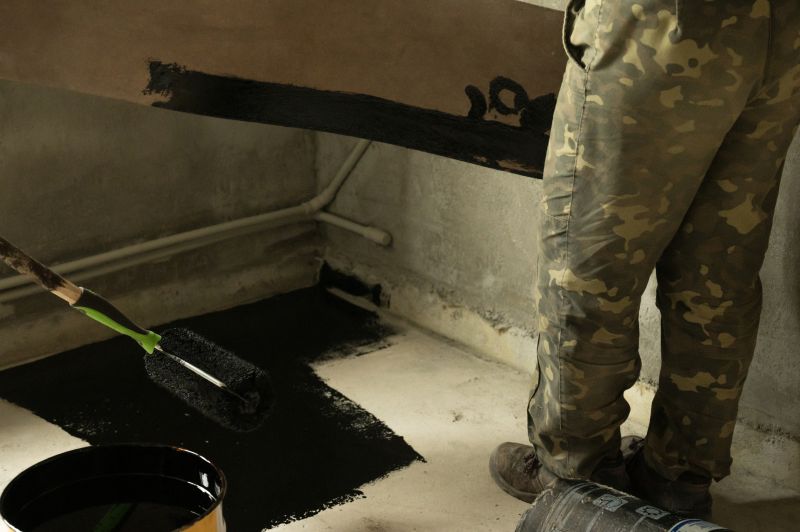
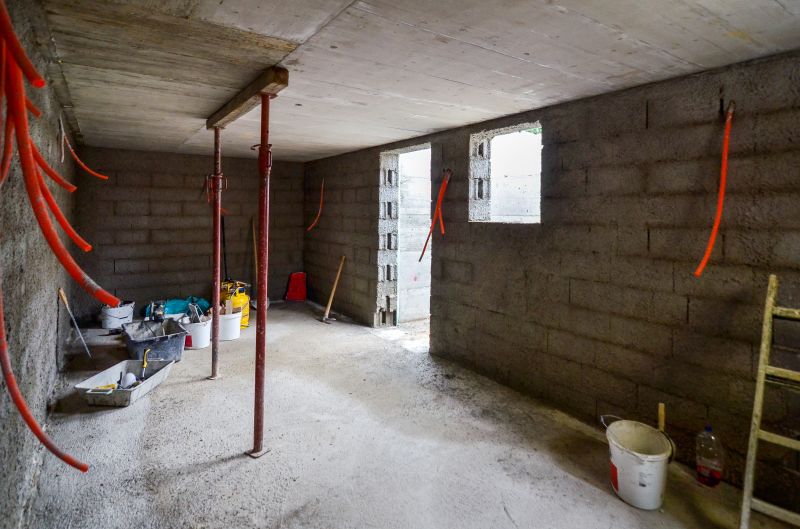
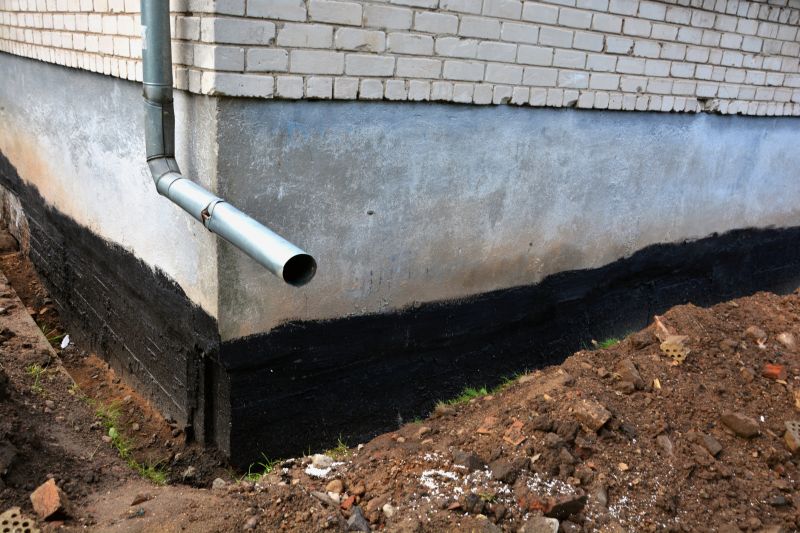
When homeowners search for information about waterproofing basements in older homes, they often do so because they are experiencing signs of moisture intrusion or want to prevent future issues. These searches typically relate to problems like persistent dampness, mold growth, or water leaks that occur during heavy rains or seasonal changes. Many are also interested in understanding the best ways to protect their investment, especially in homes with existing foundation issues or aging materials. For these homeowners, the focus is on finding practical solutions that can effectively keep basements dry and safe, often leading them to explore the types of waterproofing methods available and how local contractors can help implement these systems.
Waterproofing basements in older homes is closely connected to addressing specific challenges that come with aging structures. Older foundations may have cracks, deteriorated sealants, or outdated drainage systems that contribute to water infiltration. Homeowners planning renovations or repairs often seek waterproofing as part of their broader project to improve basement usability or prevent costly damage. Common problems include seepage through basement walls, foundation cracks, or inadequate drainage around the property. Local service providers can evaluate these issues, recommend suitable waterproofing solutions, and install systems like interior or exterior sealants, drainage panels, or sump pumps to manage water effectively.
The types of properties that frequently come up in discussions about waterproofing basements in older homes tend to include early 20th-century houses, historic properties, or homes built on challenging terrains. These homes often have foundations that were constructed with different standards than modern buildings, making waterproofing more complex. Many of these properties sit on slopes or in areas prone to heavy rainfall, increasing the likelihood of moisture problems. Homeowners with such properties are usually looking for experienced local contractors who understand the unique needs of older structures and can recommend appropriate waterproofing strategies that preserve the home’s integrity while effectively managing water issues.
Understanding how local basement waterproofing service providers fit into the process is key for homeowners considering waterproofing in older homes. These professionals assess the specific conditions of each property, including foundation type, soil conditions, and existing drainage systems. They then recommend tailored solutions that address the root causes of water intrusion, whether through interior waterproofing methods like sealants and sump pumps or exterior approaches such as excavation and waterproof barriers. Connecting with experienced local contractors ensures that waterproofing projects are handled with practical expertise, helping homeowners protect their older homes from ongoing moisture problems and potential structural damage.
Foundation Repair - foundation repair involves assessing and fixing structural issues, which often overlap with waterproofing needs in older homes to prevent water intrusion and structural damage.
Drainage System Installation - installing proper drainage systems helps manage water around the foundation, a key aspect of waterproofing basements in older homes to reduce moisture buildup.
Basement Finishing - basement finishing projects require waterproofing to protect new living spaces from water damage, making these skills relevant for older home renovations.
Crawl Space Encapsulation - encapsulation techniques involve sealing and insulating crawl spaces, which shares planning and moisture control skills with basement waterproofing in older homes.
Waterproof Wall Coatings - applying specialized coatings on basement walls is a common service that helps prevent water seepage, closely related to waterproofing basements in older homes.
Masonry Repair - masonry repair involves fixing cracks and deteriorated walls, supporting waterproofing efforts by maintaining the integrity of foundation structures in older homes.
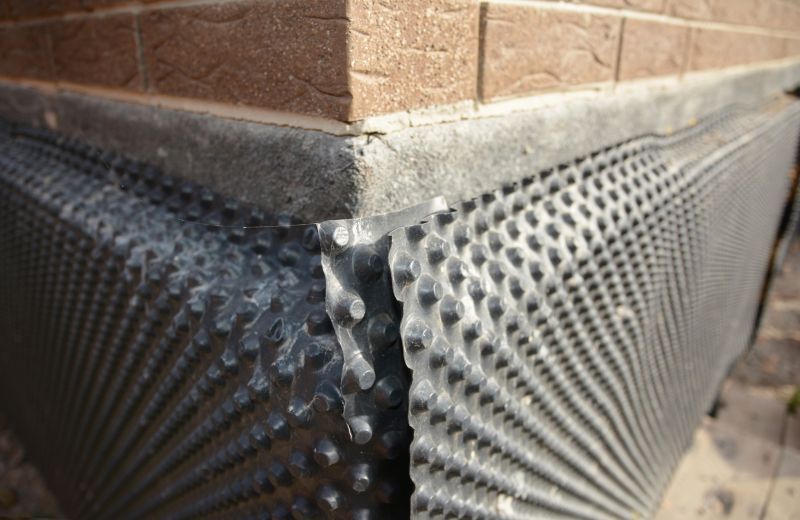
When selecting a service provider for waterproofing basements in older homes, it is important to consider their experience with similar projects. Older homes often present unique challenges, such as outdated foundation materials or previous modifications that can impact waterproofing strategies. Contractors who have a history of working on properties like yours are more likely to understand these complexities and recommend effective solutions. Asking about their past projects or requesting references can provide insight into their familiarity with the specific issues that come with older homes, helping ensure the chosen professional has the relevant background.
Clear communication and well-defined expectations are essential when planning basement waterproofing services. A reputable contractor will provide a detailed explanation of the proposed work, including the methods they plan to use and the scope of the project. This transparency helps prevent misunderstandings and ensures that homeowners are aware of what the process entails. It is also helpful to discuss how the contractor will address potential concerns specific to older homes, such as existing moisture problems or structural considerations, so that expectations are aligned from the outset.
Reputable local contractors can be identified by their references and reputation within the community. When evaluating potential service providers, consider seeking recommendations from neighbors or other homeowners who have had similar work done. Additionally, a professional’s ability to maintain open lines of communication throughout the project is a sign of their commitment to customer satisfaction. Good communication ensures that questions are answered promptly and concerns are addressed, making the entire process of waterproofing basements in older homes more straightforward and less stressful.
Property owners often search for waterproofing basements in older homes when they are planning practical projects around their homes and businesses. Local pros provide Basement Waterproofing services for everyday jobs and straightforward project options.
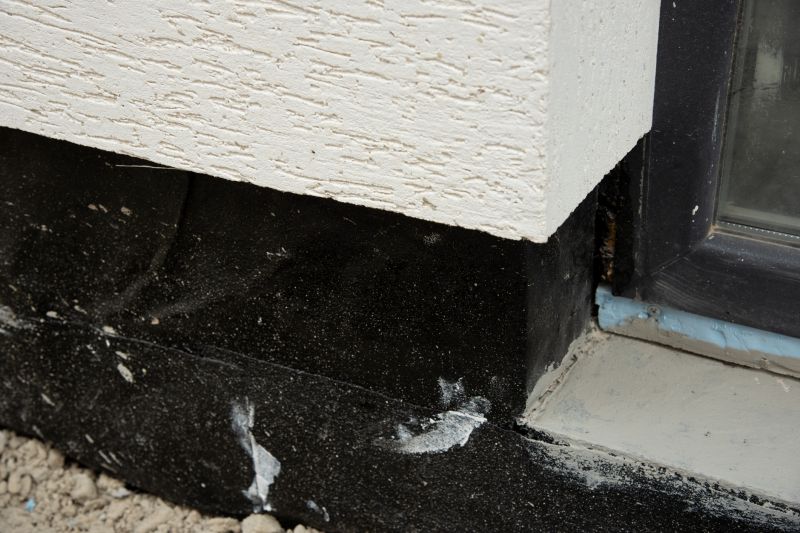
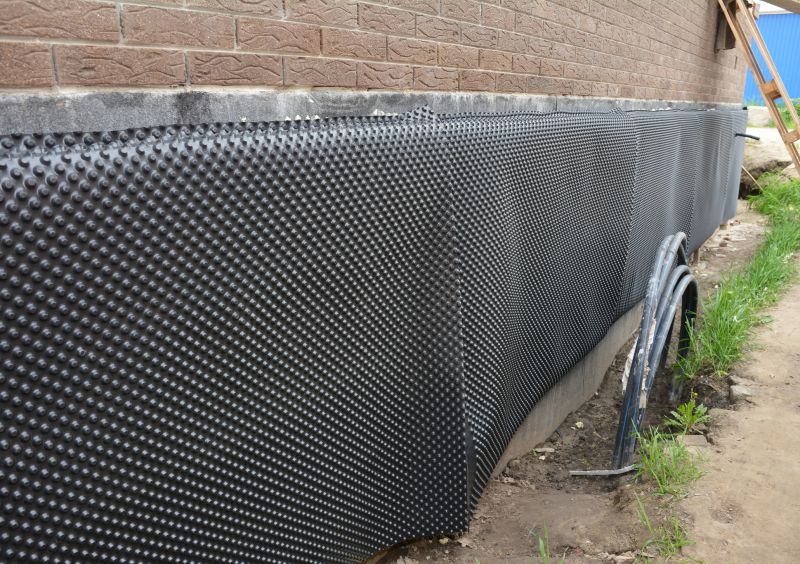
Homeowners exploring options for waterproofing basements in older homes often find themselves facing issues like persistent dampness, water seepage during heavy rains, or signs of mold and deterioration. These common concerns can impact the comfort and safety of a property, prompting property owners to seek reliable solutions. Local contractors experienced in basement waterproofing can assess these issues and recommend appropriate measures to help protect the foundation and improve the basement environment, making it more resilient against future water intrusion.
Many property owners look into basement waterproofing services to address existing problems or as a preventative step for aging structures. Older homes may have outdated or compromised foundation walls, drainage systems, or waterproofing barriers that need attention. Connecting with service providers in the area can provide tailored solutions, whether it’s sealing cracks, installing new drainage systems, or applying waterproof coatings. These local experts understand the unique challenges of older homes and can help find effective ways to keep basements dry and secure.
What are common waterproofing methods for older homes' basements? Local contractors often use techniques such as interior sealants, exterior drainage systems, and foundation repairs to address waterproofing in older homes.
Can waterproofing solutions be customized for older basement structures? Yes, experienced service providers can assess the specific condition of an older basement and recommend tailored waterproofing strategies that suit its unique needs.
Is it necessary to excavate around an older home's foundation for waterproofing? Sometimes, exterior excavation is part of the process, but many local contractors also offer interior waterproofing options that do not require excavation.
What signs indicate that a basement in an older home needs waterproofing? Common signs include persistent dampness, efflorescence on walls, mold growth, or water seepage after heavy rain, prompting professional assessment and waterproofing services.
How do local service providers determine the best waterproofing approach for an older basement? They evaluate factors like foundation condition, water intrusion patterns, and existing drainage systems to recommend the most effective waterproofing solutions.
Assessing basement leaks - property owners can identify areas where water seeps in and discuss these findings with local contractors to determine appropriate waterproofing solutions.
Installing interior drainage systems - homeowners can work with local pros to set up drainage channels and sump pumps that help divert water away from older basement foundations.
Applying sealants and coatings - property owners can choose to have waterproof sealants applied to basement walls and floors by local service providers to create a moisture barrier.
Improving exterior drainage - property owners can evaluate and enhance yard grading and install drainage solutions with local contractors to prevent water from pooling near the foundation.
If you are thinking about waterproofing basements in older homes for a property, this guide is meant to help you understand this topic, the typical project types, and how different options might fit your plans.
When you are ready, you can use the quote form on this page to share a few details about your project. From there, local pros can review the basics and follow up with options that match what you have in mind.